


Does Dry Shampoo Damage Scalps?
December 16, 2022
Common Myths And Misconceptions About Hair Implants
March 13, 2023Impact Of Stress And Mental Health On Hair Growth

The impact of stress and mental health on hair growth. At the height of COVID-19 in 2020, hidden victims of the pandemic revealed themselves with symptoms unrelated to the virus. The lockdown and the virus itself heightened the stress in various people resulting in hair loss.
More women have complained of hair loss in Singapore since the pandemic. This issue brings us to the question of whether stress impacts hair growth. No one can deny how the world stopped during the pandemic, impacting people’s lives worldwide.
People lost physical contact with family and friends due to the lockdown. Some lost their loved ones and their jobs and were forced to be isolated, disrupting the lifestyle they had been used to. The mental and emotional stress impacts everyone, afflicted with the virus or not. Eventually leads to an increase in stress-related hair loss.
Table of Contents
The impact of stress and mental health on hair growth
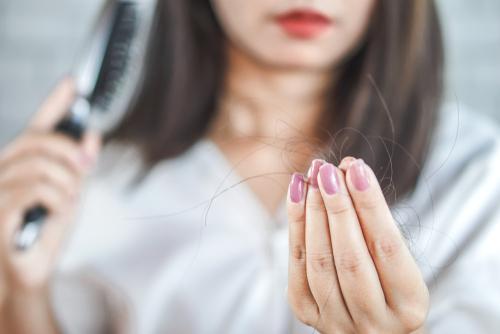
Stress is associated with at least three types of hair loss that ranges from temporary and curable to severe case like alopecia. It affects all genders and all ages. Here are the three types of stress-related hair loss:
TELOGEN EFFLUVIUM (TE)
The most common hair loss is called Telogen Effluvium, where the resting phase of hair growth is disrupted. The normal hair cycle goes through transition, rest, and shredding. When it is disturbed, one experiences an increase in hair shredding. One of the causes is stress, apart from other factors such as medications and nutritional deficiencies.
Telogen Effluvium occurs in patches and doesn’t affect the entire scalp. However, one can experience hair thinning on other body parts, such as eyebrows. It is a temporary case that can be treated over time, which means hair will regrow after a few months.
ALOPECIA AREATA
The severe case of hair loss is Alopecia Areata, an autoimmune disease. In this case, the body’s immune system is down, causing hair to fall off, which is further triggered when under stress. Alopecia can occur as patches or affects the entire scalp. When it affects the whole body, It is called Alopecia Universalis.
People with alopecia often shave their hair to avoid a patchy scalp. But this is the worst-case scenario, as alopecia can still be treated with prescription medication for those who have experienced 50% hair loss.
TRICHOTILLOMANIA
At the height of the pandemic, when everyone was forced to either switch to online classes or work from home setup, people were subjected to mental anguish. As such, you’ll often see people pulling their hair when agitated. The urge to remove the hair frequently and excessively harms the scalp causing harm to the scalp. This condition is called Trichotillomania.
Trichotillomania can happen to any gender and can start as young as preteens. Studies say it can also be hereditary. Patients who suffer from this condition may see temporary bald patches that can regrow over time.
The average human scalp has 100,000 follicles, and 80-100 strands of hair loss are regular. Any excess is alarming, and the patient must seek medical health to avoid further hair loss.
Here are some ways to address hair loss and encourage hair growth

Admittedly, hair loss can affect the lifestyle of any human being. First, it can result in low self-esteem and trigger stress just wanting to hide the bald patches. Apart from seeking medical help, the following are ways where you can encourage hair growth.
Diet and nutrition
Hair growth is not a result of excessive salt or MSG but rather due to an imbalanced diet. Eating healthy and nutritious meals must restore the body and scalp to perfect shape. Some essential nutrients you need are:
- Vitamin C from citrus fruits and broccoli builds collagen.
- Vitamin B from dark leafy greens promotes metabolism and healthy hair.
- Vitamin E from spinach and olive oil has antioxidants for a healthy scalp.
If you cannot take all the vitamin-enriched fruits and vegetables, you can ask for supplements from the doctor.
Stress management
Stress, whether you like it or not, is here to stay. The best way to ensure it doesn’t get in the way you need to manage stress with these simple techniques:
- Exercise regularly to eliminate stress. You can start with light exercises such as walking or doing household chores.
- Engage in entertaining hobbies to keep you busy and productive.
- Write in your journal to release some pent-up emotions and relieve stress.
- Meditate to appease the mind and the spirit.
Impact Of Stress And Mental Health On Hair Growth – Conclusion

The hair is the crowning glory of any individual, and learning to care for it improves your appearance and emotional state. Coping with stress is a must, especially when you are consistently bombarded with things outside your control. Manage your stress and flip those healthy, shiny hair to breeze through what life throws at you.


