

Hair Growth Shampoos and Conditioners: Do They Work?
August 23, 2023
Benefits of Scalp Massage for Hair Growth
October 5, 2023Hair Growth During Pregnancy

Hair Growth During Pregnancy
Hair Growth During Pregnancy. Pregnancy is a transformative journey that impacts a woman’s body, including hair growth.
Many women notice changes in their hair texture, thickness, and growth rate during this period. But what drives these changes?
This guide delves into the hormonal shifts behind pregnancy-related hair growth and sets realistic expectations for expectant mothers.
Table of Contents
Pregnancy and the Symphony of Change
Embracing the Body’s Transformations
Pregnancy is a time of immense change, both physically and emotionally. As the body nurtures new life, it undergoes a series of adjustments to accommodate the growing baby.
Amid these changes, women often experience alterations in their hair growth patterns, sparking curiosity about the mechanisms at play.
The Commonly Noticed Hair Metamorphosis
Expectant mothers frequently observe shifts in their hair during pregnancy. These changes can range from increased hair thickness and volume to alterations in hair texture.
While some women revel in the newfound lushness of their locks, others may be surprised by shifts in their hair’s behavior.
Understanding the reasons behind these changes can provide valuable insights into the body’s intricate processes.
Understanding the Hair Growth Cycle
The Three Phases: Anagen, Catagen, and Telogen
One must grasp the basics of the hair growth cycle to comprehend pregnancy-related hair growth.
Hair undergoes three main phases: anagen (growth), catagen (transitional), and telogen (resting).
Understanding this cycle elucidates the mechanisms that influence hair changes during pregnancy.
The Typical Non-Pregnant Hair Growth Journey
In a non-pregnant state, the hair growth cycle progresses consistently. Hair follicles transition through the phases, leading to regular shedding and regrowth.
However, during pregnancy, hormonal fluctuations disrupt this cycle, contributing to the observed changes in hair behavior.
Pregnancy Hormones: The Main Players
Estrogen: The Hair’s Best Friend?
Estrogen, often referred to as the “female hormone,” plays a pivotal role in pregnancy-related hair changes.
Elevated estrogen levels during pregnancy can prolong the anagen phase of hair growth, resulting in reduced shedding and enhanced hair thickness. This hormone contributes to the radiant hair often associated with pregnancy.
Progesterone and Its Role
Progesterone, another key hormone, influences hair growth in conjunction with estrogen.
While estrogen prolongs the anagen phase, progesterone supports the maintenance of hair follicles during pregnancy. The dynamic interplay of these hormones contributes to the overall hair experience.
The Impact of Increased Blood Circulation
Pregnancy triggers heightened blood circulation, supplying the developing fetus with essential nutrients and oxygen.
This increased blood flow extends to the scalp, providing hair follicles with enhanced nourishment. The improved nutrient delivery fosters a conducive environment for robust hair growth.
How Pregnancy Affects the Hair Growth Cycle
Longer Anagen Phase: More Hair, Less Shedding
Elevated estrogen levels in pregnancy extend the anagen phase, leading to fewer hairs entering the shedding telogen phase.
This results in enhanced hair thickness and reduced hair loss, creating the perception of fuller hair. While this phase can be enjoyable, it’s crucial to understand that these changes are temporary.
Changes in Hair Texture and Type
Some women notice alterations in their hair texture during pregnancy. Straight hair might become wavy, and vice versa. These changes are attributed to shifts in hormonal balance, which can affect the structure of the hair shaft.
A Note on Hair Color: Natural and Dyed
Hormonal fluctuations during pregnancy can also impact hair color. Natural hair color might appear more vibrant due to increased blood circulation and nutrient supply.
It’s advisable to exercise caution with hair dye during pregnancy, as the effects of chemicals on the developing fetus are still under study.
Postpartum Hair: Managing the Shed
The Sudden Shift to the Telogen Phase
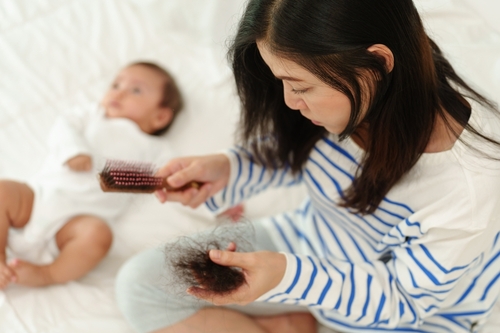
After childbirth, hormonal levels plummet, leading to a shift in the hair growth cycle. Many women experience postpartum hair shedding as many hairs enter the telogen phase simultaneously. This shedding is a natural process and should not cause undue concern.
Postpartum Hair Loss: Causes and Duration
Postpartum hair shedding, known as telogen effluvium, is triggered by hormonal changes and typically occurs around three to six months after childbirth. While the shedding can be alarming, it’s essential to remember that it’s a transient phase.
Tips to Manage and Minimize Hair Shedding
Stress management, a balanced diet, and good overall health can support healthy hair regrowth after postpartum shedding. If healthcare professionals recommend, nutritional supplements can also contribute to the recovery process.
Healthy Hair Practices During Pregnancy
Gentle Hair Care Routines
Pregnancy is a time to prioritize gentle hair care. Avoid excessive heat styling and tight hairstyles that could strain the hair shaft.
The Debate on Hair Treatments: Coloring, Straightening, and More
While many hair treatments are generally considered safe during pregnancy, consulting healthcare professionals before undergoing any chemical processes is advisable.
Opting for natural alternatives or embracing the hair’s natural state can be a viable option during this period.
Nutritional Support: Vitamins and a Balanced Diet
A well-balanced diet rich in vitamins and nutrients supports overall health, including hair health. Adequate intake of vitamins like biotin and various nutrients can contribute to healthy hair growth during and after pregnancy.
Common Hair Concerns and Remedies
Dealing with Dryness or Oiliness
Hormonal fluctuations can lead to changes in the scalp’s oil production, resulting in dryness or oiliness. Using appropriate hair care products designed for your scalp type can help restore balance.
Battling Dandruff or Itchy Scalp
An itchy scalp or dandruff during pregnancy can be managed with gentle, anti-dandruff shampoos. Avoid harsh products that could exacerbate the condition.
Tips for Hair Breakage or Split Ends
Gentle handling of hair, minimal heat styling, and regular trims can prevent hair breakage and split ends. Using nourishing hair masks or conditioners can also help improve hair strength and resilience.
Embracing Natural Hair Changes
Celebrating the Positives
Many women find joy in their hair’s increased volume and texture during pregnancy. Embracing these changes and experimenting with new hairstyles can enhance the overall experience.
The Transient Nature of Pregnancy-Induced Hair Changes
While pregnancy can bring about positive changes in hair growth, it’s essential to remember that these shifts are temporary. Hair often returns to its pre-pregnancy state after childbirth.
Expert Advice
Understanding Individual Variations in Hair Response
Every woman’s body responds uniquely to pregnancy hormones. Dermatologists and trichologists recommend understanding your hair’s response and seeking professional guidance for any concerns.
Seeking Professional Guidance for Hair Concerns
Consulting dermatologists or trichologists can provide personalized insights and recommendations if you experience excessive hair shedding, unusual hair changes, or concerns about hair health during pregnancy.
Hair Growth During Pregnancy – Conclusion
Pregnancy offers a unique and often radiant hair experience for many women. While some changes might seem overwhelming, it’s essential to remember the temporary nature of these shifts.
Embracing the journey and seeking guidance when needed can make the hair experience during and post-pregnancy more enjoyable.
Looking for professional and reliable hair growth procedures in Singapore? Contact us today!


