


Common Myths And Misconceptions About Hair Implants
March 13, 2023
What Are the Best Treatments for Hair Loss?
June 19, 2023Factors that Affect Hair Growth: Genetics, Diet, and Lifestyle

Factors that Affect Hair Growth Genetics, Diet, and Lifestyle
Factors that Affect Hair Growth: Genetics, Diet, and Lifestyle – Hair growth is an essential process for everyone. But the rate at which it occurs varies from person to person and depends on various factors like genetics, diet, and lifestyle.
In this article, we’ll take a closer look at these elements that influence hair growth and show how each plays a vital role in controlling how quickly our locks grow. Read on – Factors that Affect Hair Growth: Genetics, Diet, and Lifestyle:
Table of Contents
Genetics and Hair Growth

Genetics plays a significant role in determining our hair’s rate of growth. The genes we inherit from our parents play an essential role in shaping the thickness, length, and texture of our locks; those with curly locks have different follicles compared to those with straight locks; similarly, individuals with thick hair tend to have more strands per square inch than those with thin locks.
Genetics plays a significant role in the hair growth cycle. It consists of three phases: anagen, catagen, and telogen. During anagen, the follicle produces new hair; during catagen, it shrinks and stops growing; in telogen, it stops growing entirely and remains dormant. Genetics determines the length of this period, as people with more extended anagen periods tend to have longer locks than those with shorter cycles.
Diet and Hair Growth

Diet plays an integral role in hair growth. Our follicles require constant nutrition to produce healthy locks, so a deficiency of essential vitamins and minerals can cause hair loss and slow growth. Some essential vitamins needed for hair growth include:
- Protein: Our hair is primarily composed of protein, so getting enough of this essential nutrient is essential to promote hair growth. Some of the best sources are eggs, meat, fish, and dairy products – all great protein sources.
- Iron is essential for transporting oxygen to hair follicles, and a deficiency can lead to hair loss. Iron-rich foods include red meat, spinach, and lentils – all great sources of this vital nutrient.
- Biotin: Biotin is an essential B vitamin necessary for the production of keratin – the main component of our hair. Good sources of biotin include eggs, almonds, and sweet potatoes.
- Vitamin D is necessary for hair growth as it stimulates hair follicles. Good sources of this vital nutrient include fatty fish, mushrooms, and fortified cereals.
- Zinc: Zinc is essential for cell growth and repair, including in our hair follicles. Good sources of this crucial mineral include oysters, beef, and pumpkin seeds.
Lifestyle and Hair Growth

Lifestyle factors such as stress, smoking, and lack of sleep can all affect hair growth. Stressful situations disrupt the cycle of hair growth by producing cortisol in our bodies which damages follicles and causes hair loss. Smoking also hurts hair growth by restricting blood flow to its roots – leading to reduced hair production. Finally, lack of sleep also disrupts hormones responsible for hair growth production.
Conversely, exercise can promote hair growth by increasing circulation to the scalp and encouraging it to produce new cells. A healthy scalp is essential for healthy hair growth, and regular exercise helps improve blood circulation around it for healthy scalp development.
Genetics, diet, and lifestyle are all influential factors in hair growth. While we may not control our genetics, we can influence our lifestyle choices to promote healthy hair growth. Eating a balanced diet rich in essential vitamins and minerals, staying hydrated, getting enough sleep each night, managing stress effectively, and quitting smoking are all proven ways of supporting healthy hair growth.
Additionally, certain hair care practices can promote healthy hair growth, such as using gentle shampoos, avoiding harsh chemicals and heat styling, and regularly massaging the scalp to increase blood flow.
Factors that Affect Hair Growth: Genetics, Diet, and Lifestyle – Conclusion
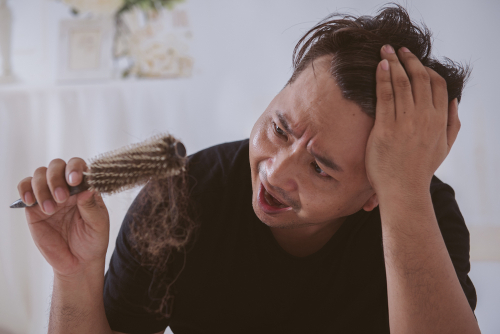
It is essential to remember that hair growth is a gradual process, and you may need some patience before you see any real progress. Also, consult a healthcare professional or licensed trichologist if you experience sudden or significant hair loss, which could indicate an underlying medical issue.
By paying attention to our diet, lifestyle, and hair care practices, we can promote healthy hair growth and achieve the luscious locks we desire.


